

In the open race to serve as Governor of the Commonwealth of Virginia, Lieutenant Governor Winsome Earle-Sears (R) faces former U.S. Representative Abigail Spanberger (D-VA 7th). The Constitution of Virginia prohibits governors from serving multiple consecutive terms, so incumbent Governor Glenn Youngkin (R) is ineligible for reelection.
The office of governor is established by the Constitution of Virginia, and the office holder’s primary duty is to serve as the chief executive of the state government. The governor must report on the state of the commonwealth to the General Assembly, convene the legislature when a special session is called, ensure state laws are executed properly, and serve as commander-in-chief of the state militia. Additionally, governors have the power to submit recommendations to the General Assembly, veto bills (in whole or in part with a line-item veto), commute fines and issue pardons, and restore rights to convicted felons.
Governors must be at least thirty years old, citizens of the Commonwealth of Virginia, and have been a resident and registered voter in the commonwealth for five years preceding the date of the election. They are elected to four-year terms and there are no term limits, but they are barred from serving multiple consecutive terms.
Winsome Earle-Sears (R)
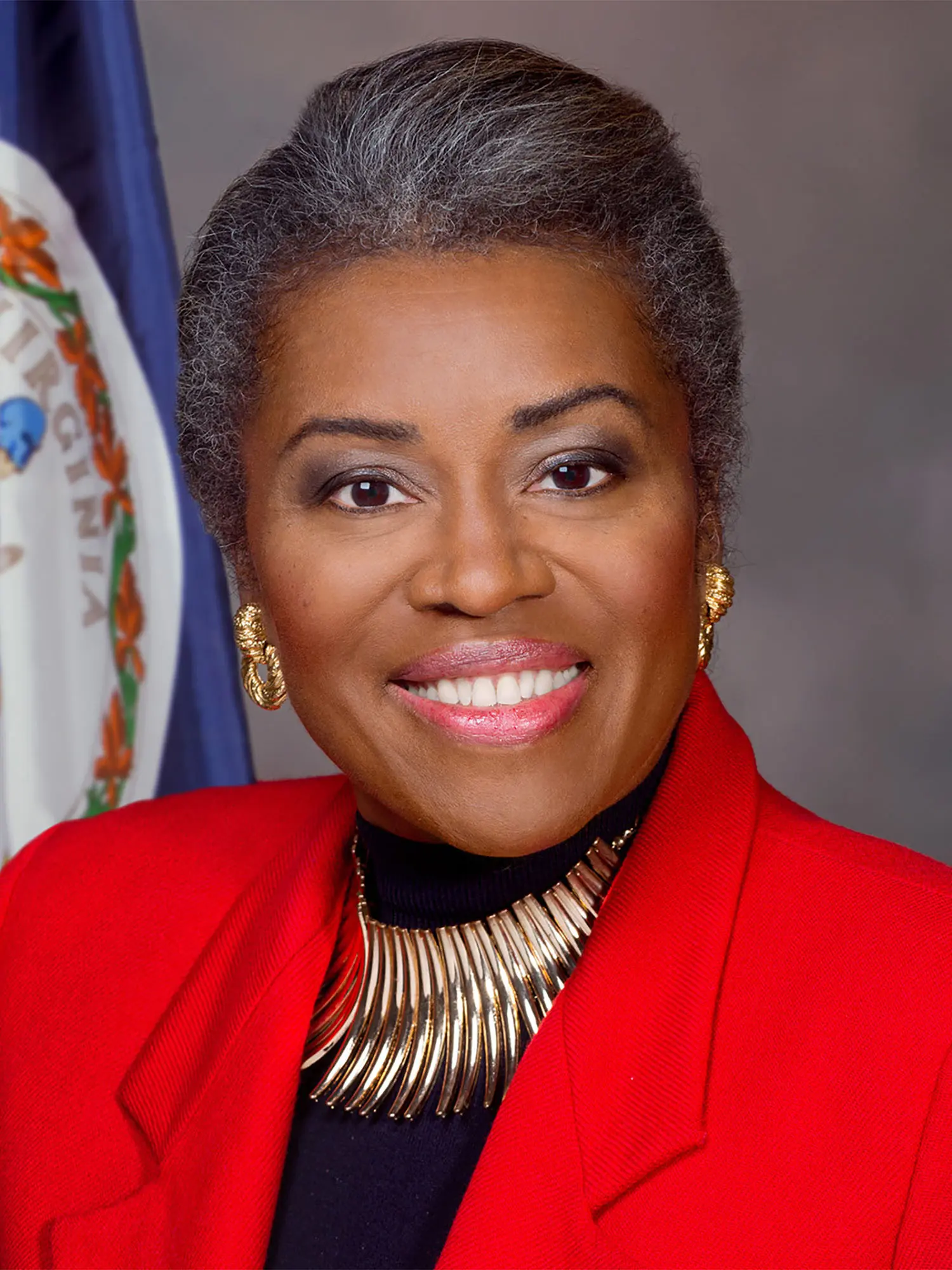
Virginia Lieutenant Governor Winsome Earle-Sears (R) stands as the Republican Party nominee for Governor of Virginia.
Earle-Sears is a Jamaica-born United States Marine Corps veteran and small business owner. She previously worked as an electrician, a program manager for the Hampton Roads Chamber of Commerce, vice president of the Virginia Board of Education, and director of a women’s homeless shelter. She held presidential appointments to the U.S. Census Bureau, the African American Committee, and the Advisory Committee on Women Veterans to the Secretary of Veterans Affairs.
In 2001, she was elected to represent the 90th District in the Virginia House of Delegates, making her the first black Republican woman and the first naturalized citizen to serve in the house. She has served one term as lieutenant governor; she was the first woman to hold the office and the first black woman elected to statewide office in Virginia.
If elected, Earle-Sears promises to work to reduce the cost of living, enforce the laws and punish crimes, give every child a quality education, protect parents’ rights, protect the right to work and free association rights, ensure fairness in women’s sports, and protect women-only spaces. Her website says nothing about protecting the right to life or defending self-defense rights, though her record suggests she is supportive of these key principles. She also doesn’t say anything about transportation, which is a big concern in urban and suburban parts of the state, or about improving election security.
It is frustrating when candidates shy away from clearly explaining their policy goals—especially when they’re generally on the right side of the issues. If Earle-Sears believes in the three fundamental human rights—life, liberty, and property—and if she believes in citizens’ self-defense rights and the importance of holding secure, accurate elections, she should say so.
Voters should not have to infer a candidate’s beliefs from secondary sources like party affiliation, association with other political figures (like our incumbent governor), or by sorting through lists of which organizations support which candidate. Earle-Sears seems to be right on the most important issues, but Virginians deserve to hear it from her and her campaign.
Abigail Spanberger (D)
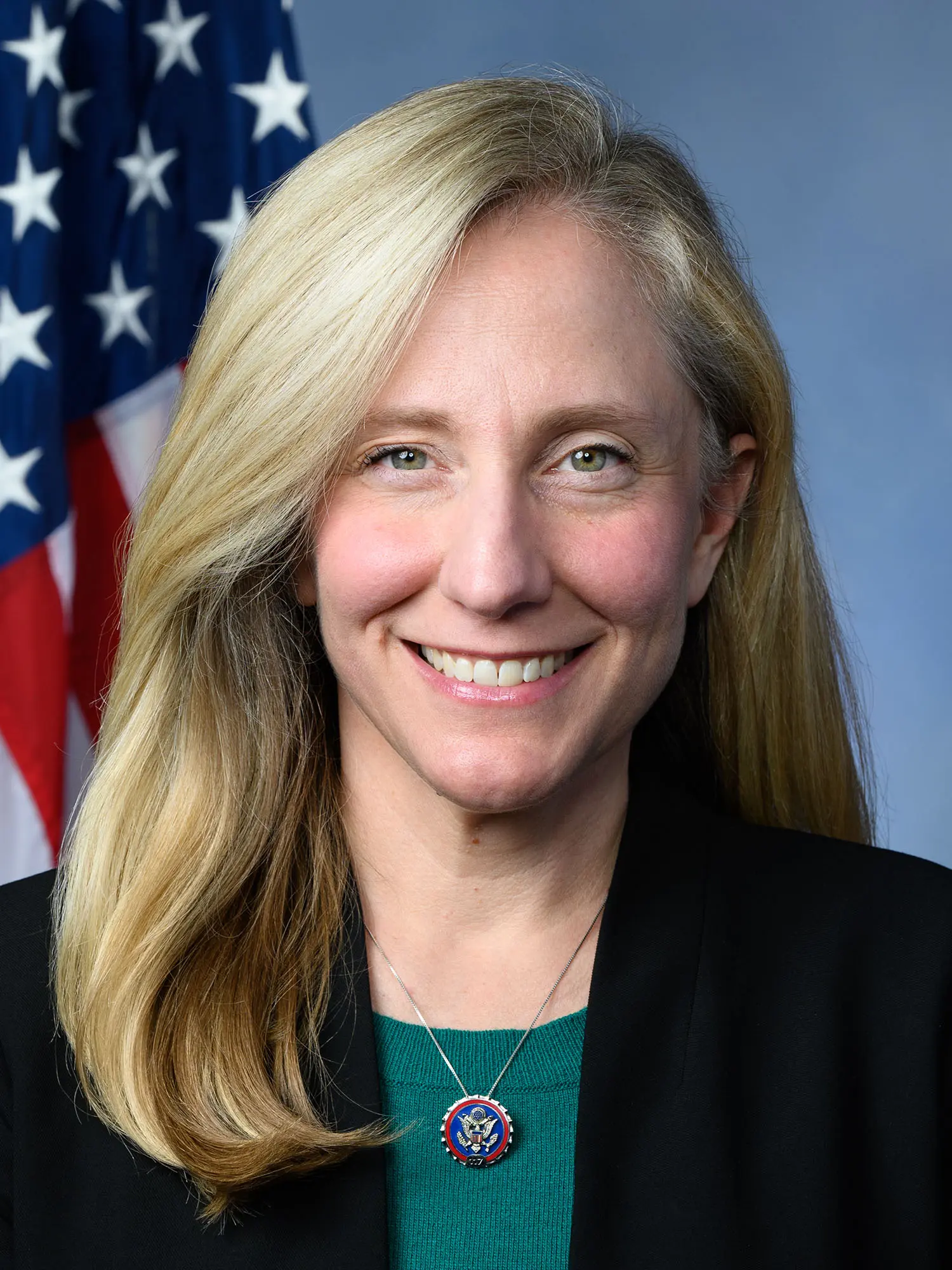
Former U.S. Representative Abigail Spanberger (D-VA 7th) stands as the Democratic Party nominee for Governor of Virginia.
Spanberger worked as a federal law enforcement officer with the U.S. Postal Inspection Service and a substitute teacher at the Islamic Saudi Academy, a defunct private school in northern Virginia that was funded by Saudi Arabia and faced bipartisan criticism for teaching religious intolerance and antisemitism. Spanberger later joined the Central Intelligence Agency (CIA) as a case officer. After leaving the CIA, she worked at a higher-education marketing firm. In 2017 she was appointed by then-Virginia Governor Terry McAuliffe (D) to the Virginia Fair Housing Board.
In 2018, Spanberger narrowly won election to represent Virginia’s 7th District in the U.S. House of Representatives. She was reelected by similarly narrow margins in 2020 and 2022 and served three terms before stepping down to seek election as governor.
In Congress, Spanberger was generally viewed as “moderate” or “centrist.” She made efforts to moderate the Democrats’ most absurd and unpopular positions of the time, including their growing embrace of socialism and bizarre demands to “defund the police.” A Georgetown University analysis ranked her the fifth-most bipartisan member of Congress based on the bills she sponsored or co-sponsored. Other analyses that looked at her votes on the floor, however, found that she voted in literal 100% lock-step with former President Joe Biden (D) on bills where his administration took a public position. In other words, she talks like a centrist but votes like a party-line Democrat.
And like most modern Democrats, Spanberger is openly hostile to the fundamental human right to life, which is the first and most important right. She even promises to codify “reproductive rights,” a ghoulish euphemism for abortion, into the state constitution. She is hostile to self-defense rights and supports needless, unconstitutional restrictions on firearms. She also opposes efforts to ensure free and fair elections, and characterizes widely-supported election security measures as “efforts that seek to disenfranchise voters.” That’s insulting and wrong. So much for her bipartisan spirit.
On the more “bread and butter” issues affecting Virginians, it’s the usual platitudes or . . . silence. Her plans to improve education in Virginia are mostly “spend more money,” and she is suspiciously quiet about the progress the Youngkin administration has made in restoring some sanity is some of the most abusive and corrupt local school systems. I also couldn’t find a clear, coherent transportation plan. Spanberger has said in interviews that she want to get rid of our idiotic car tax, so that’s nice . . . but I’ve heard that promise before.
Conclusion
Former U.S. Representative Abigail Spanberger (D-VA 7th) has positioned herself as a pragmatic, moderate Democrat who won’t get caught up in her party’s trendy absurdities. To her credit, she hasn’t called for “defunding the police,” hasn’t called for open borders, isn’t a full-on socialist, and hasn’t voiced support for the Hamas terrorists in Gaza. Many Democrats can’t rise to these very low standards. Spanberger does, and I applaud her for it, but being “mostly sane” is not the same as being a centrist.
Like nearly all of today’s Democrats, she denies the right to life and even wants to codify “abortion rights” into the Constitution of Virginia. These efforts to enshrine a “right” to abortion in our declaration of rights run parallel to past efforts seeking to enshrine a “right” to own slaves. Neither are rights; they are crimes against humanity. We condemn those who thought “slavery rights” were equal to the freedom of speech and religious liberty—as we should. Future generations will condemn those who think “abortion rights” belong on that list with equal or greater passion.
Spanberger is also hostile to self-defense rights. And she opposes efforts to improve election security and positively identify voters. And, though she’s not advertising it, it is very likely that she will reverse much of the progress we’ve made over the last four years toward fighting corruption, abuses, and “Title IX” violations in Virginia’s public schools.
Virginia Lieutenant Governor Winsome Earle-Sears (R) ought to be cruising to an easy win. Governor Glenn Youngkin (R) has been an effective leader, and Earle-Sears is his logical successor. Her record suggests that she is on the right side of the key human rights issues and will defend life, liberty, and property. She promises to maintain the Youngkin administration’s efforts to correct the worst abuses in the schools. She does not threaten our self-defense rights. She will probably continue Youngkin’s efforts to secure our election system.
But I should not have to make assumptions on the basis of her record and her participation in the Youngkin administration. Her campaign has been strangely ineffective; her website does not clearly express her views on human rights . . . or much else. It is bizarre that she has not, for example, offered a clear transportation plan—that’s one of the most important issues for urban and suburban communities! She could at least throw out some platitudes about how important it is for the state to maintain and expand the highway infrastructure.
It is always frustrating when a candidate is unwilling or unable to articulate their vision clearly and directly. I suspect Earle-Sears is trying to avoid alienating voters who might not agree with her, but that is an awful political strategy. If a candidate does not define themselves for the voters, their opponent will . . . and you can be sure they’ll use the least flattering definition they can get away with. Spanberger and the Democrats are painting Earle-Sears as a “MAGA” Trumpist because Virginia tends not to like that sort of thing . . . and it’s working.
I generally like Earle-Sears, but she and her team aren’t acting like they want to win. Regardless, her opponent is still wrong on the issues. Spanberger promises to undermine fundamental rights and is likely to reverse a lot of progress in the commonwealth. Whether or not Earle-Sears has given us strong reasons to vote for her, there are still plenty of reasons to vote against Spanberger.
Vote Winsome Earle-Sears for Governor of Virginia.